Hydraulic cylinders play a crucial role in many industrial and mobile applications, providing the necessary force and motion to power machinery across various sectors. Ensuring these components operate at peak efficiency is vital for maintaining overall equipment performance and minimizing downtime. Regular hydraulic cylinder service is an essential aspect of equipment maintenance that directly impacts the reliability, safety, and lifespan of machinery. Without proper attention and timely servicing, hydraulic cylinders can develop issues such as leaks, corrosion, wear, and contamination, all of which can severely reduce their effectiveness and lead to costly repairs or replacements. The primary function of hydraulic cylinders is to convert hydraulic energy into mechanical energy, enabling controlled movement and lifting capabilities. When a cylinder is not functioning properly, it can cause inconsistent performance, loss of power, or even complete system failure. Therefore, routine service checks are necessary to detect early signs of wear or damage. These inspections typically involve examining seals, rods, barrels, and other critical components for any signs of deterioration. Seal leaks are one of the most common problems in hydraulic cylinders, often resulting from aging, contamination, or improper installation.
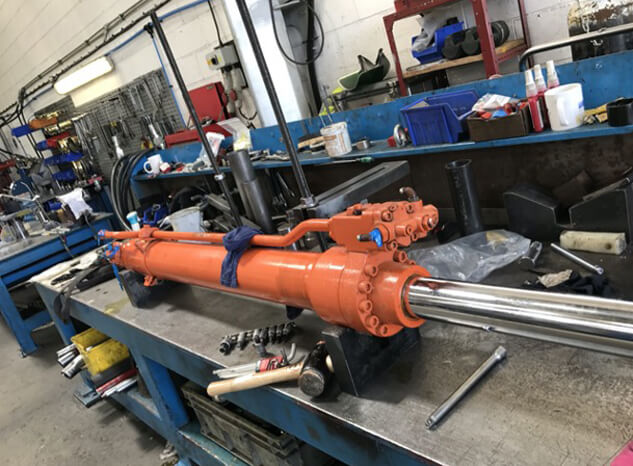
Addressing seal issues promptly prevents fluid loss, which is essential for maintaining system pressure and efficiency. Another key element of hydraulic cylinder maintenance is the prevention of contamination within the hydraulic fluid. Contaminants such as dirt, water, or metal particles can enter the system and cause internal damage. They lead to accelerated wear of the cylinder’s internal surfaces and valves, reducing overall system reliability. Regular fluid checks and replacement, along with proper filtration systems, help maintain clean hydraulic fluid, ensuring smooth cylinder operation. Additionally, rod surface inspection is vital since scratches or corrosion on the rod can damage seals and cause leaks. Polishing or replacing the rod when necessary helps maintain the cylinder’s integrity and prevents premature failure. Besides regular inspections and fluid management, proper storage and handling of hydraulic cylinders contribute significantly to their longevity. Cylinders that are not in use should be stored in clean, dry environments, with protective coatings applied to exposed parts to prevent corrosion. During installation or removal, care should be taken to avoid mechanical damage or contamination.
Skilled technicians often perform repairs or rebuilds, replacing worn parts and testing the cylinder under pressure to ensure it meets operational standards before being returned to service. Timely hydraulic cylinder service not only reduces the risk of unexpected breakdowns but also improves the overall efficiency of the machinery. Well-maintained cylinders operate smoothly with minimal energy loss, leading to better fuel economy and reduced operational costs. Furthermore, regular service enhances safety by preventing sudden equipment failures that could endanger operators or damage surrounding infrastructure. Investing in preventive maintenance extends the working life of hydraulic systems, providing better return on investment for equipment owners. In conclusion, hydraulic cylinder service is a critical factor in maintaining peak equipment performance and long-term reliability. Through regular inspections, fluid maintenance, proper handling, and professional repairs, hydraulic cylinders remain efficient and durable, ensuring that machinery operates safely and effectively over time. This proactive approach to maintenance safeguards against costly downtime and helps maximize productivity in industrial operations.